Short answer: dress in three layers: merino wool base layer, insulating mid layer (fleece or wool), and a windproof, waterproof shell (membrane type). Avoid cotton completely. Good boots, warm hat and real gloves matter more than anything else you buy.
Leave the cotton hoodies at home. Up here they just chill you. There’s no bad weather on Svalbard, only bad clothing. I have seen too many visitors shivering in expensive city jackets. This is the blunt list of what you actually need. For a winter-vs-summer version, see How to pack.
The three-layer rule
- Base layer: merino wool (or a good synthetic), top and bottoms. It wicks sweat and stays warm when damp.
- Insulation: fleece, wool or a light down/synthetic jacket. Thickness depends on season.
- Shell: wind- and waterproof jacket and trousers with a membrane. Wind is the real enemy on Svalbard, and a shell stops it.
Why no cotton? It absorbs sweat, dries slowly and then pulls heat out of your body. On a snowmobile at −15°C that is a problem within an hour.
Feet, hands, head
This is where you lose comfort first.
- Socks: two thin pairs or one thick merino pair, plus spares. Tight boots with thick socks get cold; leave room.
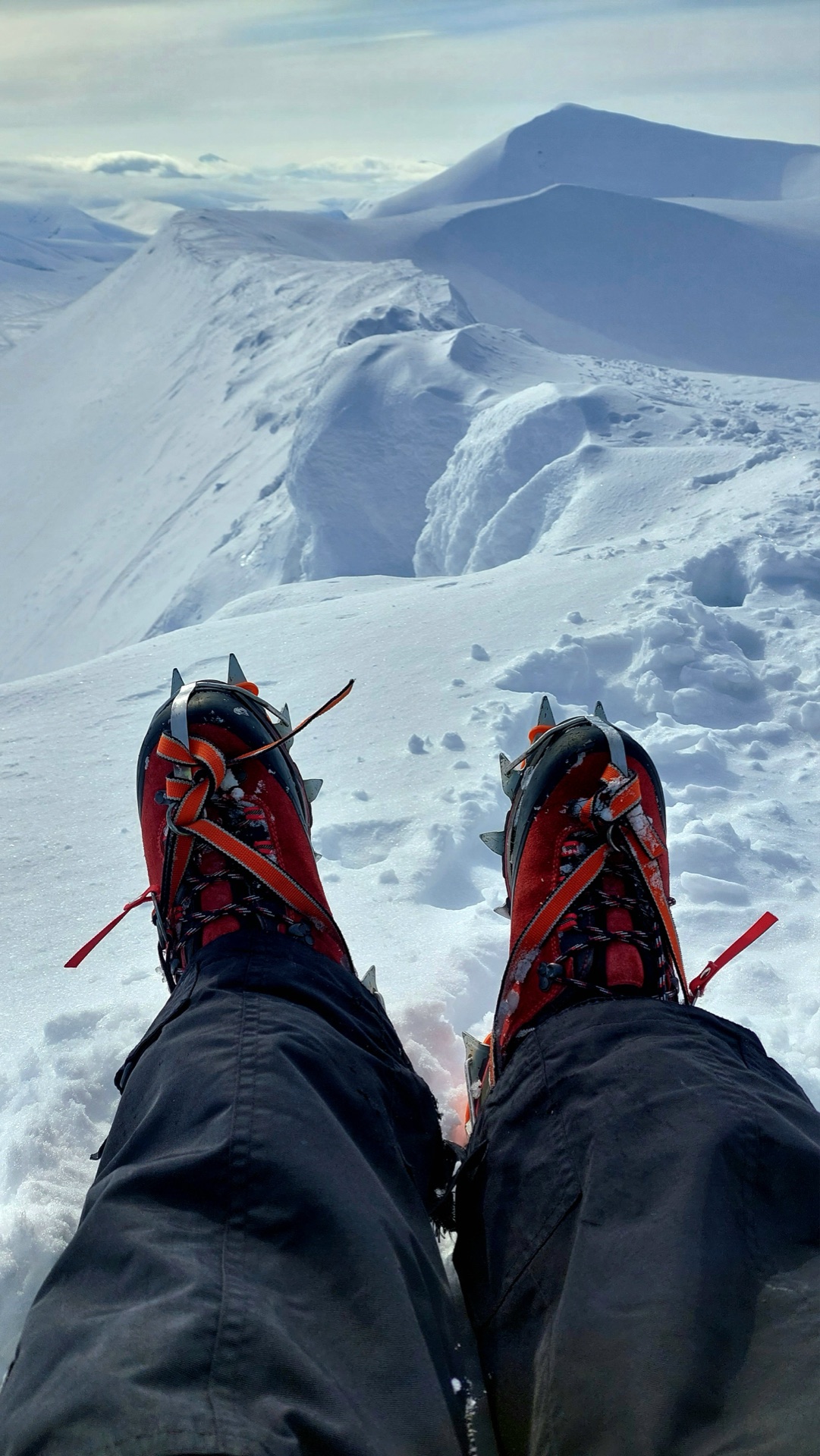
- Boots: insulated and waterproof, with a thick sole. Winter boots rated to at least −30°C are a good rule.
- Gloves: thin liner gloves plus warm outer gloves or mittens. Bring both.
- Head: a warm hat that covers the ears, a neck gaiter or balaclava, sunglasses or goggles. The sun on snow is brutal.
Winter extras
- Thermal tights and a second warm mid layer.
- Chemical hand warmers as a backup.
- A thermos and a power bank kept inside your jacket, because cold drains batteries.
- Lip balm and sunscreen. Spring sun at 78°N burns.
Summer extras
- Waterproof shell and trousers (boat spray, rain).
- Sturdy hiking boots with ankle support.
- A warm mid layer even in July. A boat deck is cold.
- Sunscreen and sunglasses, because the sun never sets.
- Swimwear if you plan the Arctic dip.
What not to pack
- Cotton jeans and sweatshirts.
- Fashion sneakers. Wet snow destroys them.
- Too many “just in case” clothes. Three layers, used cleverly, beat ten bulky ones.
- Drones. They are restricted on Svalbard, so check the rules first.
- Fireworks, knives and anything you don’t need. Flights are weight-limited on some routes.
For snowmobile days specifically, see How to dress for a snowmobile trip in Svalbard.
What we provide on our trips
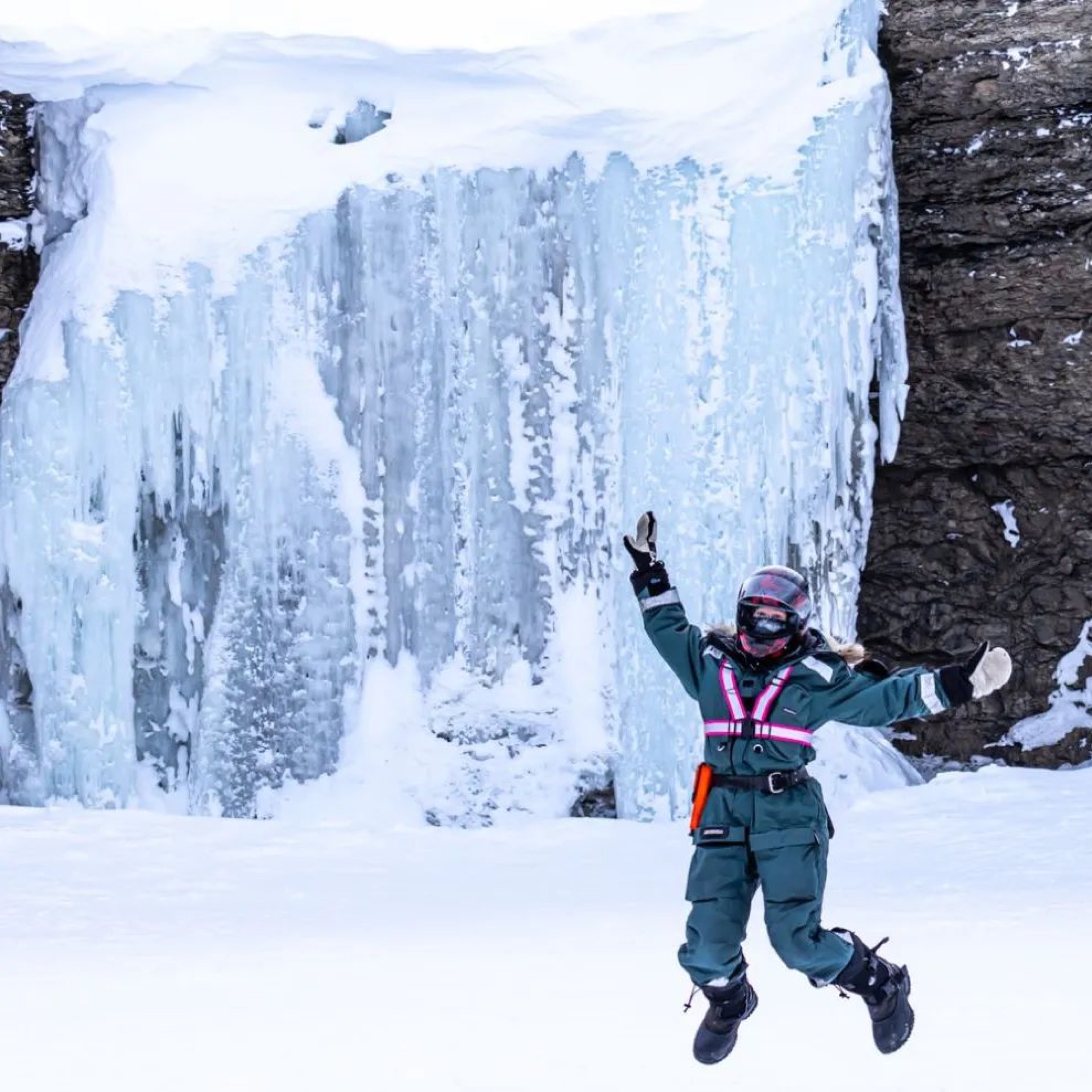
On guided snowmobile days you don’t need to buy arctic-grade outerwear. MyArctic winter trips include a snowmobile suit, helmet, balaclava, gloves and boots. You still bring your own base layers, socks and a warm hat. Ask your operator what’s included; it differs.
Packing checklist
- Merino top and bottoms (2 sets)
- Fleece or wool mid layer
- Windproof/waterproof jacket and trousers
- Warm hat, neck gaiter, sunglasses
- Liner gloves + warm gloves
- Wool socks (3+ pairs)
- Insulated waterproof boots
- Power bank, lip balm, sunscreen
FAQ
Is Gore-Tex necessary?
Any good waterproof, windproof membrane does the job.
Do I need to buy special boots?
For winter, yes, unless you already own warm waterproof boots. Some operators rent or supply them.
Is it cold in summer?
Cool, not freezing. Expect 3 to 8°C, and colder on the water.
Can I buy clothing in Longyearbyen?
Yes, but at Svalbard prices and with limited stock.
Don’t want to freeze on a snowmobile?

Relax. On every MyArctic expedition you get a thick arctic suit, goggles-ready helmet and sturdy gloves included. See what else we provide.