Svalbard sits in the Arctic Ocean roughly halfway between mainland Norway and the North Pole, an archipelago of around 61,000 square kilometres, of which about 60% is under ice. Spitsbergen is the largest island and the only one with permanent settlements. Everything else is glacier, moraine, tundra and fjord.
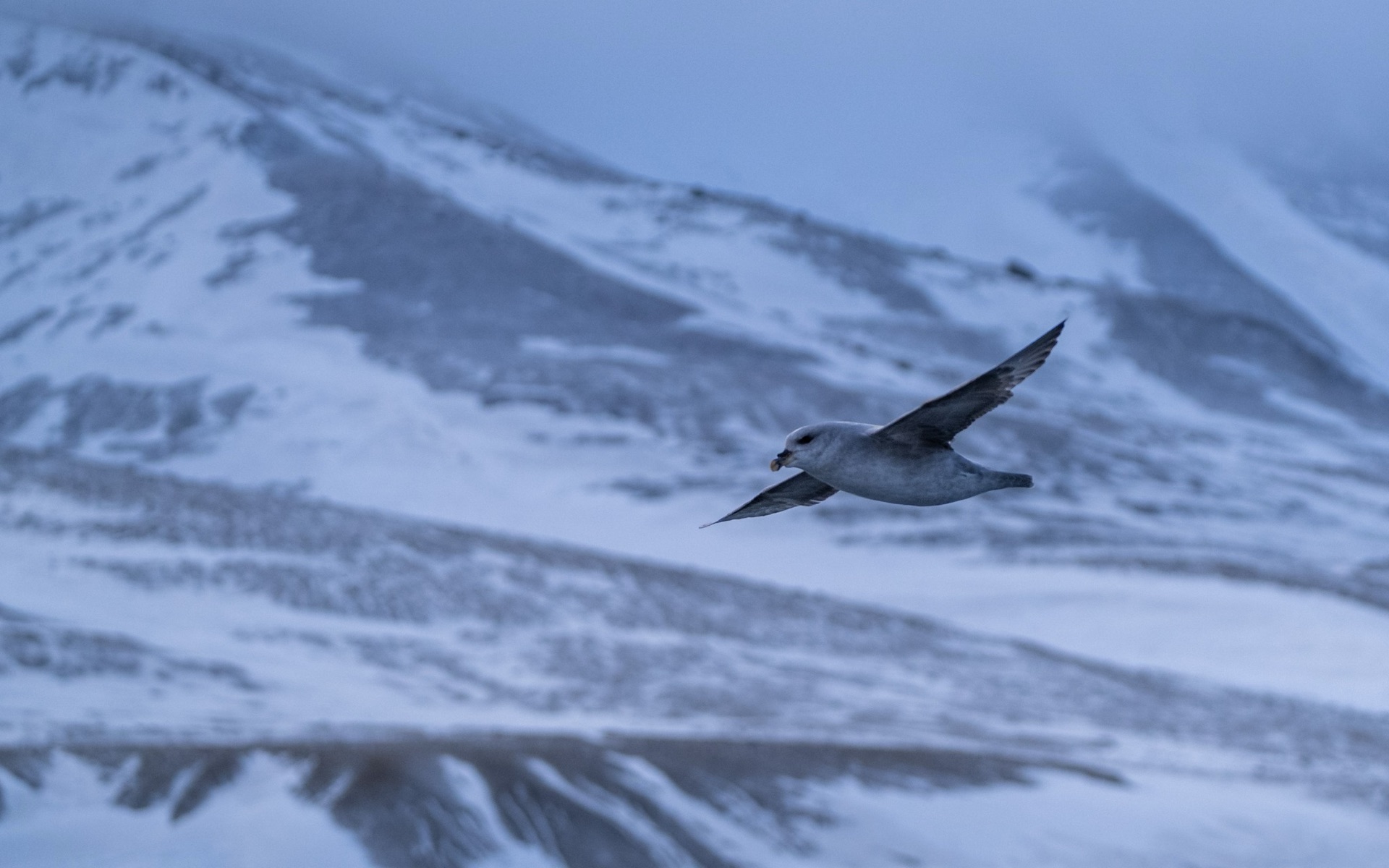
I have guided here for years, and what still fascinates me is how compressed it all is. Within an hour of leaving Longyearbyen you can be standing on rock that drifted from the tropics over 400 million years, beside a glacier that calves while you watch, on ground where a plant a few centimetres tall counts as a tree. In winter the fjords freeze hard enough to drive across; in summer the sun never sets. It is one of the most accessible genuinely wild places on Earth, and one where preparation and respect are not optional.
These pages are the background I give my own guests before we head out.
Explore Svalbard
History and discovery
Willem Barentsz sighted these mountains in 1596 and named them Spitsbergen, the “pointed peaks”. What followed was whaling, trapping, coal and a treaty unlike any other in the world. Here the history is still lying on the beaches.
Geology and raw nature
Svalbard’s rock drifted north from near the equator, and it brought its fossils with it: tropical plants, marine reptiles, even dinosaur footprints. Add permafrost and glaciers over most of the land, and you get the layered, almost lunar landscape visitors ask me about constantly.
Arctic animals (fauna)
The Svalbard Big Five: polar bear, Svalbard reindeer, Arctic fox, walrus and the seabird colonies. What each one actually does out there, where and when you have a realistic chance of seeing it, and why no honest guide will ever guarantee a sighting.
Tundra vegetation (flora)
No trees grow here at all. Instead, roughly 170 vascular plant species crowd an entire growing season into six to eight weeks of midnight sun: polar willow, purple saxifrage, the Svalbard poppy. Fragile, and easily destroyed by a single careless footstep.
Life on Svalbard (locals and settlements)
Around 2,500 people from 50-plus nationalities live in Longyearbyen, the world’s northernmost town, alongside Russian Barentsburg, the research station at Ny-Ålesund and the abandoned town of Pyramiden. You cannot be born here, buried here, or live here without supporting yourself.
Ready to see it for yourself?

Reading about the Arctic is a decent start; standing on a frozen fjord at −25°C while the light comes back over the mountains is another matter. Our tours page sets out what runs in each season, and MyArctic, our small locally owned company in Longyearbyen, takes groups out with armed, SGO-certified guides who live here year-round. Read Practical Info first: getting here, packing and polar bear safety matter more here than anywhere else I have worked.